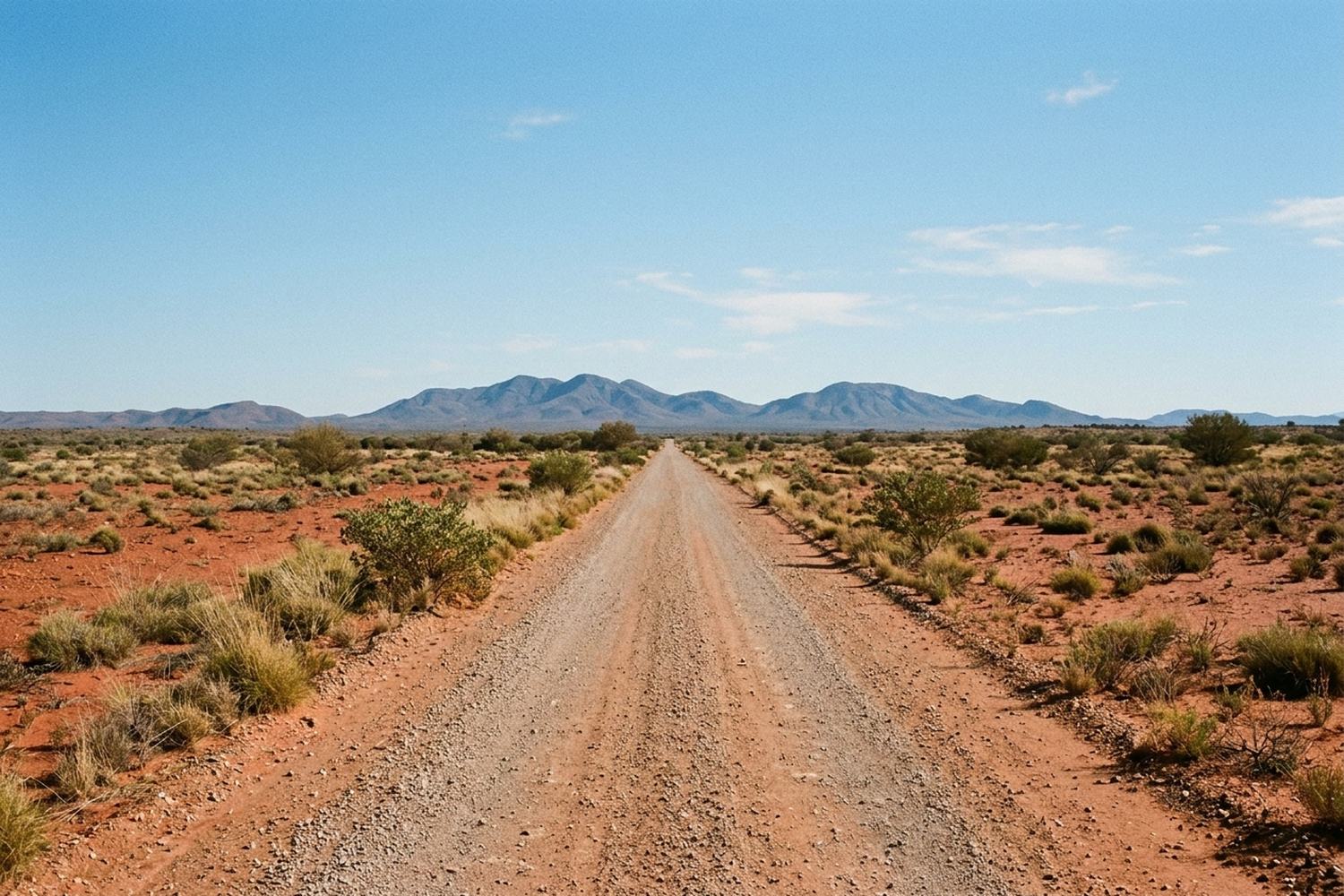
twelve nights, one vehicle, roughly two thousand kilometers of gravel
A Self Drive Namibia Vacation Package Across Twelve Nights Of Gravel
This is the emptiest booking in the catalog. A self drive namibia vacation package puts your party alone in one vehicle for twelve nights, with no guide riding along and no second car behind you.
Twelve nights, from $5,460 per person.
Nothing here counts you and nothing here follows you off the page. One word can be written down, and only the word yes, so this strip stops coming back. What that means in full.
The route runs about 2,050 kilometers, and roughly 1,600 of those are gravel. That single number decides most of what follows: the vehicle, the daily distances, the reason two spare wheels are standard rather than optional, and the reason this trip carries the highest per head figure on the desk.
Twelve nights, one vehicle, your party and nobody else in it. This self drive namibia vacation package covers the south and the center: the dune country in the west, the escarpment, a long empty middle, and a wildlife reserve in the north where the pans hold water in the wrong season and nothing at all in the right one. Lodging is booked and paid before you leave. The driving is not booked, because nobody can book it for you.
People arrive expecting sand and get gravel instead. Namibian gravel roads are graded, wide and fast, and that is exactly the trap: a road that feels like 120 kilometers per hour is a road that will put you in the verge sideways at 90. Every operator on the ground says the same thing and we will say it here: 80 is the number.
- What size this is
- Nobody else at all: the vehicle carries your party and no one outside it, and the per head figure is high because a fitted 4x4 and twelve nights of lodging cost the same whether two people or four sit in the seats.
- What is actually included
- Twelve nights of lodging booked ahead, mostly in small lodges and two tented camps; a high clearance 4x4 with a rooftop or in-bed sleeping option on two nights, two full size spare wheels, a compressor, a jack rated for gravel, a dual battery fridge and a satellite messenger; the vehicle handover briefing at pickup; park entry permits for the two reserves on the route; a printed and offline route file with fuel stops marked; and breakfast every morning, with dinner at the four lodges that sit too far from anywhere else to eat out.
- Who else is on it
- Nobody. No guide, no driver, no second party sharing the vehicle, and on several stages no other car for an hour at a stretch. What that does to the day is simple and it is the whole point: you decide when to leave, you stop wherever you want, and every wrong turn is yours to fix. It also means the day has no one in it who knows the road already, so the driving hours are real hours and the two of you split them.
- What it does not include
- Flights of any kind; fuel, which runs roughly $340 to $430 over the full route depending on detours; the vehicle security deposit held on a card at pickup; tire and windshield damage waivers offered at the counter, which most people take; lunches and all drinks; entry to reserves outside the two on the route; any activity booked on the spot at a lodge, including balloon flights and guided drives inside the parks; gratuities; and insurance, visas and passports, none of which this office sells, arranges or advises on.
- Who should not book this
- Anyone who has never driven on gravel, anyone unwilling to change a wheel in heat with no phone signal, and single drivers: the long stages run five to seven hours and there is nobody to take over. Families with a child under six will find the seat time punishing. If you want somebody else to worry about the route, book a guided trip instead.
What It Means To Have No One In The Car But You
There is no guide. That is not a cost-saving; it is the shape of the trip. A guided version of this route exists and costs less per head because the guide's day is split across a minibus of twelve. Here the vehicle, the fittings and the twelve nights of lodging are divided by your party alone, and two people carry a cost built for four.
What you buy for that money is decision-making. You leave the lodge at five to get the low light on the dunes, or you leave at nine because the previous day ran long. You spend ninety minutes at a waterhole because something is happening, and you make it up by cutting the afternoon stop. Nobody is waiting on you and you are waiting on nobody.
The other half of it is less romantic. Two of the stages have no fuel for 220 and 260 kilometers respectively, so the jerry can gets filled whether you think you need it or not. A tire change on gravel in the middle of the afternoon takes a fit person about twenty-five minutes and it is not a hypothetical: on a route this length, punctures are common enough that the rental fleets carry two spares as a matter of course. The desk walks you through the handover checklist by phone before you fly, so the briefing at the counter is a confirmation and not a first lesson.
from $5,460per person
- Where it comes from
- The lowest figure this office has actually booked this trip at inside the last twelve months.
- Read as
- Two people sharing one room, unless the rows above this say otherwise for your case.
- What lifts it
- A smaller party than the size this trip is filed under, a better grade of room, a peak week, and a late decision.
- When it stops moving
- When an operator puts its own name under it in writing. Until then treat it as the floor of a range this office has seen.
Whatever you settle is settled with that operator, on whatever system it runs. No part of it passes through this office and no card is ever seen here.
The Months That Work And The Months That Fight You
May through September is the dry season and the reason most people come. Days sit warm, nights in the desert go genuinely cold, and the animals concentrate at water because there is nowhere else to drink. The roads are at their best. Everything is fuller and the lodges on this route sell out four to six months ahead, which is the practical constraint rather than any pressure from us.
January and February are the opposite trip. Heat is heavy, thunderstorms build in the afternoon, and gravel roads can wash out at river crossings for a day or two at a time. Green everywhere, birds arriving, animals dispersed across country that now has water in a hundred places instead of six. Some people prefer it and pay less for lodging. Nobody should attempt it on a tight connecting schedule.
- Late May to August
- Dry, cold desert nights near freezing, best road surface, animals hold at water
- September to October
- Dry and hot, up to the high nineties inland, strongest wildlife concentration, dust in the air all day
- November to December
- Heat builds, first storms, dune light softens, fewer vehicles on the roads
- January to March
- Wet season, afternoon storms, possible washouts at crossings, green and dispersed
- April
- Roads recovering, air clear after rain, a quiet gap with reasonable pricing
What Gets Fixed The Day You Confirm
Confirmation locks the lodges and the vehicle, in that order, because in the dry season the lodges are the scarce item and the vehicle is not. Everything after that is a matter of paperwork and a route file you can read offline.
- InquiryYou tell the desk your dates, party size and how many hours a day you are willing to drive. A written figure follows in two to four working days
- Deposit and lockLodges are held first, then the vehicle class is confirmed with the fleet. Substitutions of a like level are possible and are always sent to you in writing before they stand
- Six weeks outFinal routing, fuel stops, park permits, and the driver names that must go on the rental agreement. Any change to drivers after this point is handled at the counter, not by us
- Handover dayThe fleet briefs you on the vehicle, spares and tire pressures for gravel. You sign directly with them; this office books, it does not own or operate the vehicle
Questions Worth Asking Before You Commit
The useful ones are usually about driving hours, not about scenery. Tell the desk how far you actually want to go in a day and the route will be built around that figure rather than the other way around. A message is read the same working day.